
Asbestos and Lead Testing for Demolition Projects in Idaho Falls
Testing Before Demolition Starts in Eastern Idaho
Planning a demolition project often involves more than scheduling equipment and crews. Across Eastern Idaho, many residential and commercial properties, especially older structures, may contain asbestos or lead that needs to be identified before work begins.
Without proper testing, demolition timelines can be delayed because of safety concerns or regulatory requirements. That is why testing is often one of the first steps in the process.
At Abatement Services, the focus is on helping property owners and contractors understand what may be present in a structure before demolition proceeds. This allows projects to be planned with clearer expectations and fewer unexpected setbacks.
Our team explains what areas of the building are most likely to contain regulated materials and how the sampling process will affect your schedule. We clarify how long laboratory analysis typically takes, what documentation you will receive, and how those results are typically used by demolition contractors, engineers, or local building departments. By walking through these details in advance, clients know what to expect from testing, which helps them keep other trades informed and maintain a realistic demolition start date.
Call (208) 231-3135 or complete our web form to schedule asbestos or lead testing in Eastern Idaho.
Let's Get To Work
How Can Abatement Services Help You Today?

How We Approach Asbestos Abatement
-
1Initial ConsultationOur process begins with a comprehensive evaluation of your property. Our skilled team uses state-of-the-art technology to detect the presence of asbestos, carefully assessing the extent of any damage or risk. This thorough examination allows us to develop a strategic plan tailored to your property.
-
2Customized Plan Development
Leveraging our vast experience, we craft a detailed action plan to not only remove the hazardous materials and address damage but also prevent future issues. This plan outlines the most effective techniques and methods for abatement, customized to the unique aspects of each project.
-
3Safe and Efficient Abatement
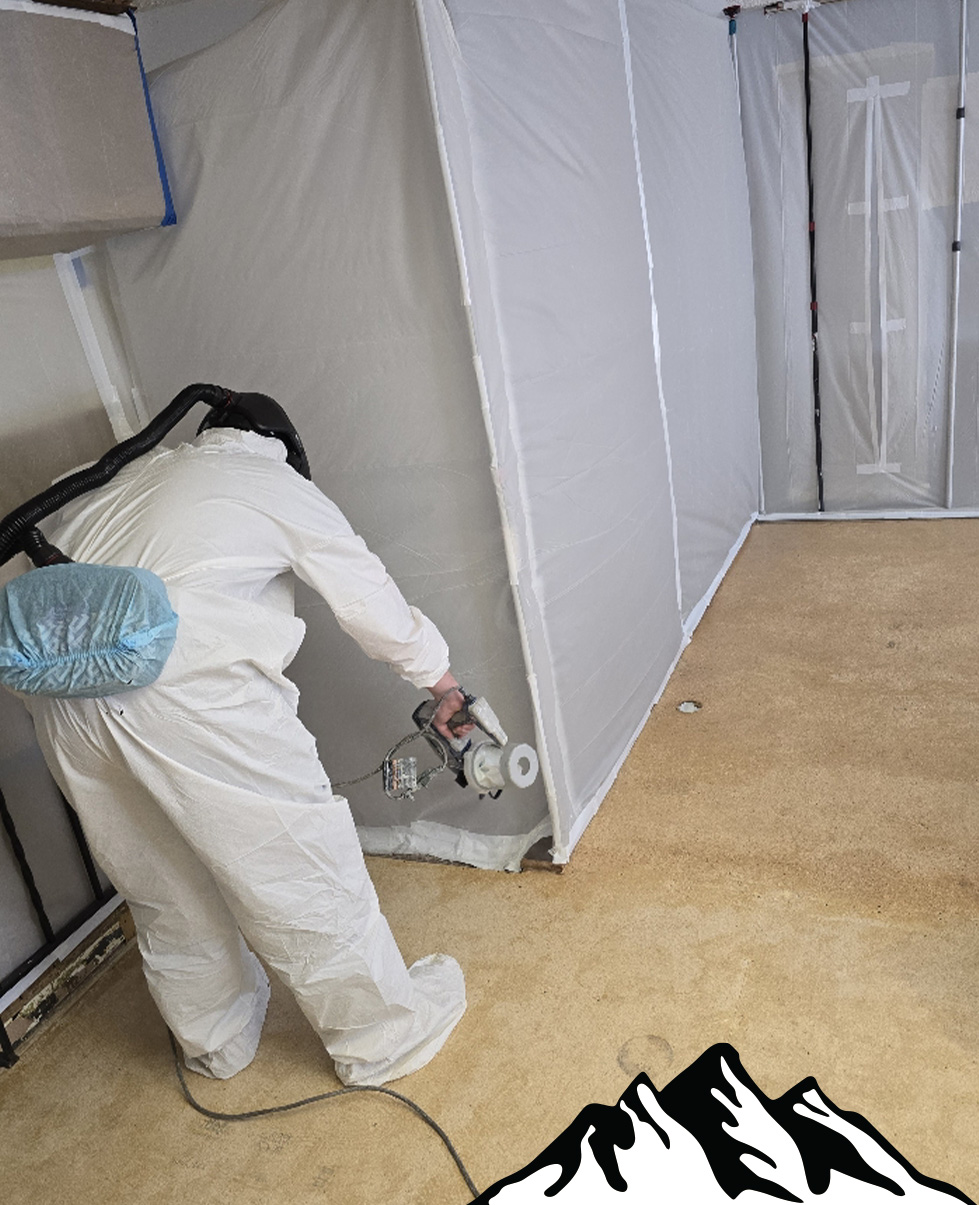
Our licensed professionals implement the plan with precision, utilizing advanced equipment and techniques for the safe removal of hazardous materials. We strictly adhere to safety protocols and regulations, minimizing any risk to occupants, workers, and the environment.
-
4Final Inspection and Follow-UpAfter completing the abatement, we conduct a rigorous final inspection to confirm that all work meets our high standards and, most importantly, that your property is safe and clean.
Proudly Serving Eastern Idaho with Local Knowledge and Experience
Testing services are available across Eastern Idaho, including Ammon, Blackfoot, Rigby, Shelley, Ucon, Iona, Roberts, Firth, Lincoln, Menan, Osgood, New Sweden, Woodville, and nearby communities.
Across these areas, demolition projects may be subject to inspection and documentation requirements before work begins, especially when older structures are involved.
Testing plays a role in:
- Meeting pre-demolition inspection requirements
- Providing documentation for permits
- Supporting safe project planning
- Aligning with environmental and safety guidelines
By addressing these steps early, property owners and contractors can move forward with clearer expectations and fewer interruptions once work is scheduled.
The Opinions That Matter The Most
-
I have been in the restoration industry for approximately 10 years. They are very professional, knowledgeable about the rules, and stay up-to-date with all the guidelines.
- Tanner -
They have great customer service. They kept us informed all the way through. Everything turned out just the way it was supposed to. I’d definitely recommend them them to my friends and family.
- Reina -
Such an easy company to work with! They were prompt, explained the process well, and worked efficiently. No one wants to deal with asbestos, but Abatement Services made it easier!
- Amy -
They did a great job and communicated well. Trustworthy and reliable!- Sherri Jensen
-
They were very professional and did a fantastic job! I didnt even know there was asbestos when we were fixing up my mom's house, but as soon as they saw we had it, they got right to work getting everything zoned off and taken care of. It was done really quickly, and everything looked so good when they were finished!- Sara Ball
-
- Tim Comstock
-
The abatement team was on time and efficient. They also kept us informed about what they were doing. They had a difficult job with under coating/glue but worked at it steady until it was done. Would definitely recommend this company to friends and family.- Linda Cooper
Frequently Asked Questions
How Far in Advance Should Testing Be Scheduled Before Demolition?
It is helpful to schedule testing several weeks before your target demolition date to allow time for site review, sampling, and laboratory analysis. Many projects in Eastern Idaho also build in extra time for permit review or coordination with utilities, so planning testing early keeps everything moving together. If your schedule is compressed due to a sale, an insurance deadline, or a safety concern, reach out as soon as possible so the testing timeline can be discussed in the context of your specific project.
Does Testing Disturb the Building or Create Dust?
Sampling involves taking small portions of materials, but the work is conducted in a controlled manner to minimize disturbance. Openings are kept as small as practical and are typically sealed after samples are taken so areas can remain in use until demolition or abatement begins. If parts of the building are occupied, such as offices or rental units, the team will coordinate timing and access so sampling creates as little disruption as possible.
What Happens if Only Part of the Building Contains Regulated Materials?
It is common for some materials in a structure to contain asbestos or lead, while others do not. In those situations, the testing report will indicate which rooms, systems, or components are affected so demolition and abatement plans can be targeted to those areas. This information allows contractors to plan the sequence of work carefully, protect workers in higher-risk zones, and potentially preserve or reuse unaffected portions of the structure if that aligns with the project's goals.
Commonly Asked Questions
-
Can I Remove Asbestos Myself?
It is generally not recommended to attempt asbestos removal as a do-it-yourself project. Disturbing or mishandling asbestos can release dangerous fibers into the air, increasing the risk of exposure. Asbestos abatement should be done by licensed and trained professionals who have the necessary expertise, equipment, and safety measures.
-
What Should I Do if I Suspect Asbestos in My Building?If you suspect the presence of asbestos in your building, do not panic. Do not attempt to find its specific source -- there is no danger unless the fibers are released into the air and inhaled into the lungs. The best thing to do is leave the material containing asbestos alone if it is in good condition. If there is slightly damaged material that contains asbestos, limit access to that area, and do not touch or disturb it. Contact Abatement Services right away to schedule an inspection. Our professionals can perform testing if necessary, and advise you on the appropriate steps to take to manage or remove the asbestos safely.
-
How Long Does Asbestos Abatement Take?
The duration of asbestos abatement depends on various factors, such as the size of the property, the amount of asbestos present, and the complexity of the project. A small residential project might take a few days, while larger commercial or industrial projects can take several weeks or more.
-
How Do I Know if I Have Asbestos in My Building?
Asbestos is commonly found in older buildings. Below are some common signs that your home or office may have asbestos:
- The building was built before 1980
- Walls or parts of the building were built using cement sheets
- The property contains vermiculite insulation
- Vinyl flooring or millboard was installed between 1952 and 1982
- The building has corrugated roofing
- An old cement water tank is being used in the building
Asbestos may look like fluffy fibers; they may come in different colors, such as white, green, blue, or brown. However, visual inspection alone cannot confirm the presence of asbestos. If you believe there is asbestos in your home, do not try to find it; asbestos is especially dangerous when disturbed. Only an accredited asbestos inspector can conduct an asbestos survey or inspection to identify and assess the condition of asbestos-containing materials (ACMs) properly.
-
What Is Asbestos Abatement?
Asbestos abatement refers to the process of identifying, containing, removing, and disposing of asbestos-containing materials (ACMs) in a safe and controlled manner. It aims to minimize the risk of asbestos exposure and ensure a safe environment.
Below is what asbestos abatement generally entails:
- Inspection - determines the presence of asbestos and the level of hazard
- Demarcation - marking off of hazardous areas in the property
- Setting up work area - ensures asbestos will not be spread throughout the building further
- Removing or repair of asbestos-containing materials (ACMs)
- High-efficiency particulate air (HEPA) vacuuming - minimizes the spread of asbestos fibers
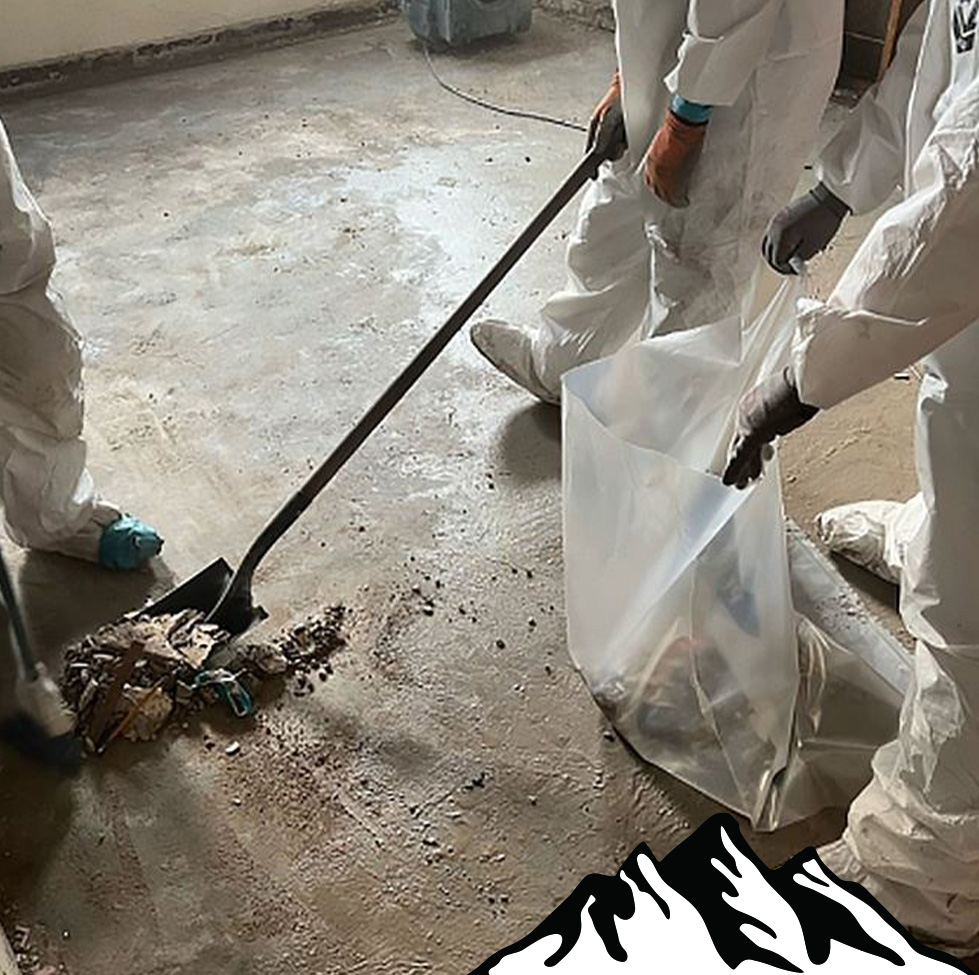
- Final cleaning - after all ACM has been removed or repaired, all surfaces will be cleaned thoroughly
- Post-cleanup - when the building is up to code and the barriers marking off the work areas are removed. The area is cleaned once again.
-
Why Is Asbestos Harmful?
Today, we know asbestos to be an extremely carcinogenic material, meaning it is known to cause cancer. Exposure to asbestos and materials that contain it can cause everything from mesothelioma to a variety of cancers, including lung and ovarian cancer. Because it was so widely used for nearly the better part of an entire century, there are still many homes and businesses throughout Eastern Idaho that may still contain asbestos and asbestos materials. At Abatement Services, we make it our mission to make asbestos abatement as simple as making a phone call.
-
How Does Abatement Services Ensure the Safety of the Asbestos Removal Process?
Safety is our top priority during the asbestos removal process. Our crews utilize advanced equipment and follow stringent procedures to prevent fiber spread and air contamination. This includes establishing containment areas, using HEPA filtration systems, and employing proper waste disposal methods. By adhering to all mandated safety protocols, we ensure a safe environment for both our workers and clients.
-
What Are the Risks of Asbestos Exposure in My Home or Building?
Asbestos exposure can pose serious health risks, including lung cancer, mesothelioma, and asbestosis, particularly when asbestos-containing materials are disturbed and fibers are released into the air. It's crucial to address asbestos safely and promptly to protect the health of occupants and visitors. Our professional asbestos removal service ensures that all asbestos is removed efficiently and in compliance with health and safety regulations, minimizing the risk to you and others.
-
Can Asbestos-Containing Material Be Repaired Instead of Removed?
In some cases, asbestos-containing material can be repaired instead of removed. However, this should only be done by licensed professionals who have the necessary expertise, equipment, and safety measures. Repairing asbestos-containing material can still release fibers into the air, so it's important to follow proper safety procedures.
-
Is Asbestos Removal a Hazardous Process?
Asbestos removal is a hazardous process that should only be carried out by licensed and trained professionals who have the necessary expertise, equipment, and safety measures. Attempting to remove asbestos yourself can release dangerous fibers into the air, increasing the risk of exposure.